Letter II · May 2026 · 4 minutes
Why the room matters more than the treatment
A body does not soften because of technique. It softens because it has decided, somewhere below thought, that it is safe.
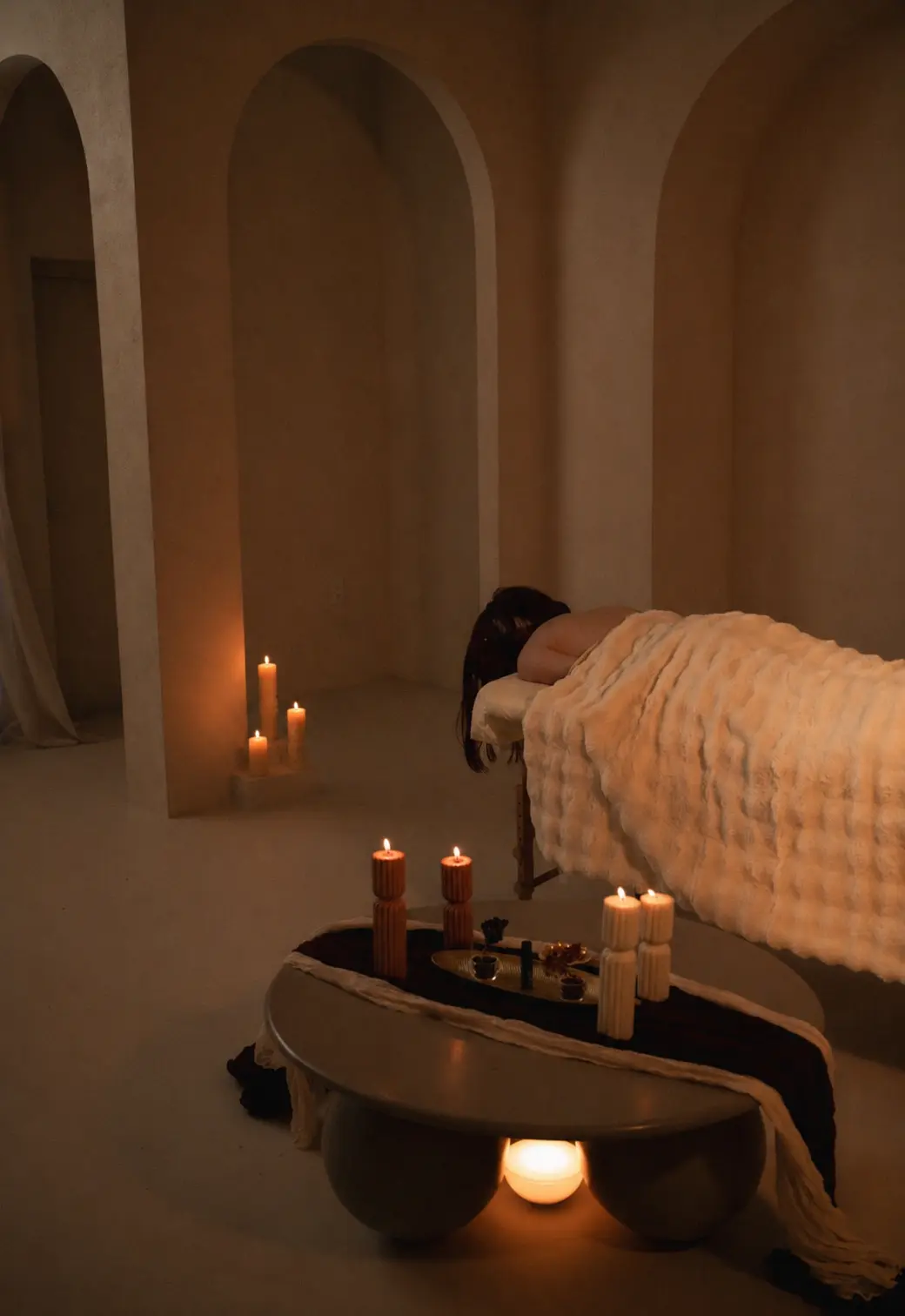
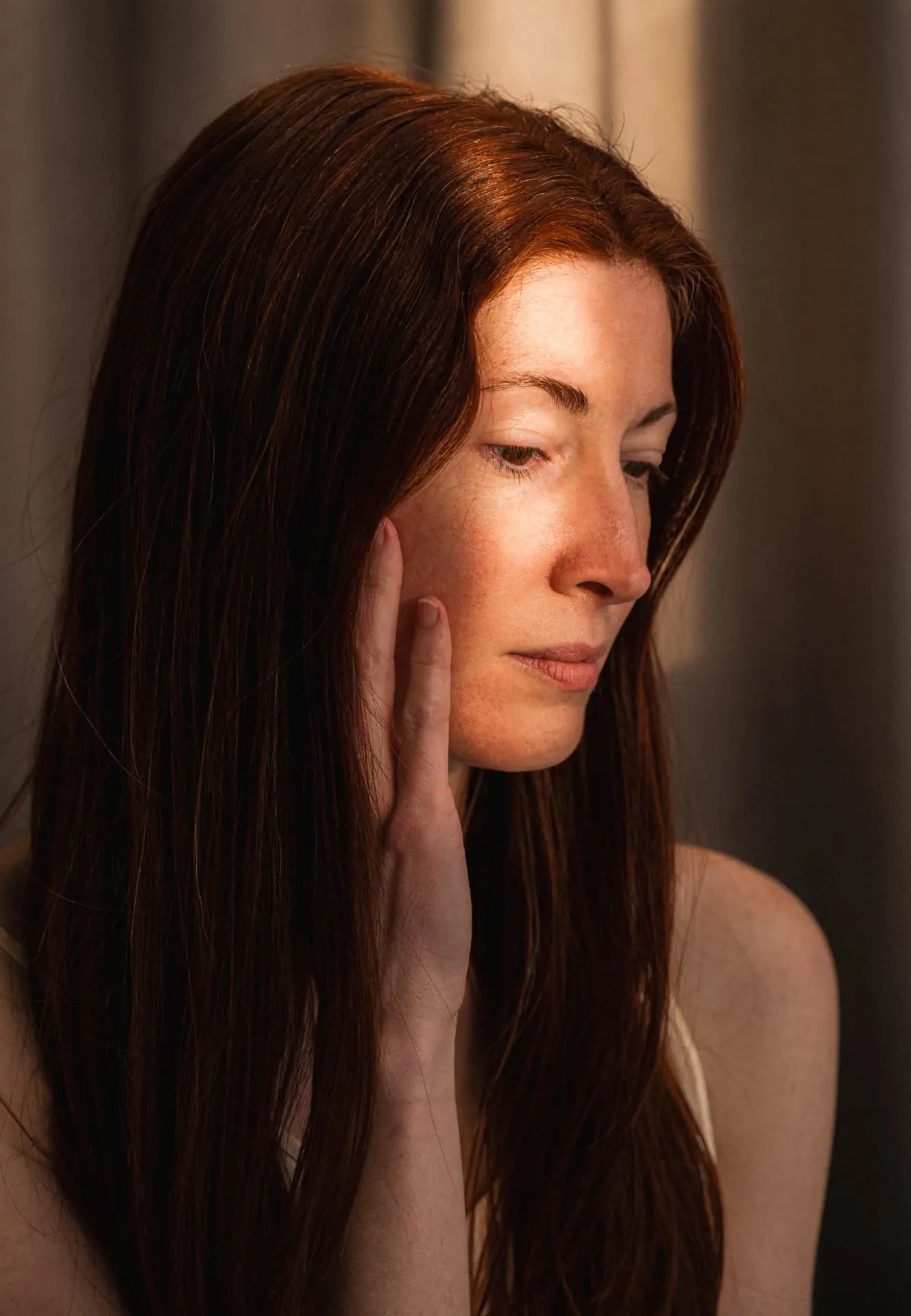
There is a moment, usually eight or nine minutes into a ritual, when a woman stops bracing. Her jaw lets go before her shoulders do. Her breathing drops from the chest into the belly. Nothing clever has happened yet.
What happened is that the room finally convinced her. The light is low enough that she is not being looked at. The warmth arrived before the hands did. Nobody is waiting outside the door with a next appointment, and no receptionist is going to knock.
Clinics are built for throughput, and a body reads that immediately. It reads the overhead light, the paper, the sound of the next client in the corridor. It stays half awake through the whole hour, ready to get dressed and drive home.
Atmosphere is the first thing, and it is the part almost nobody sells.
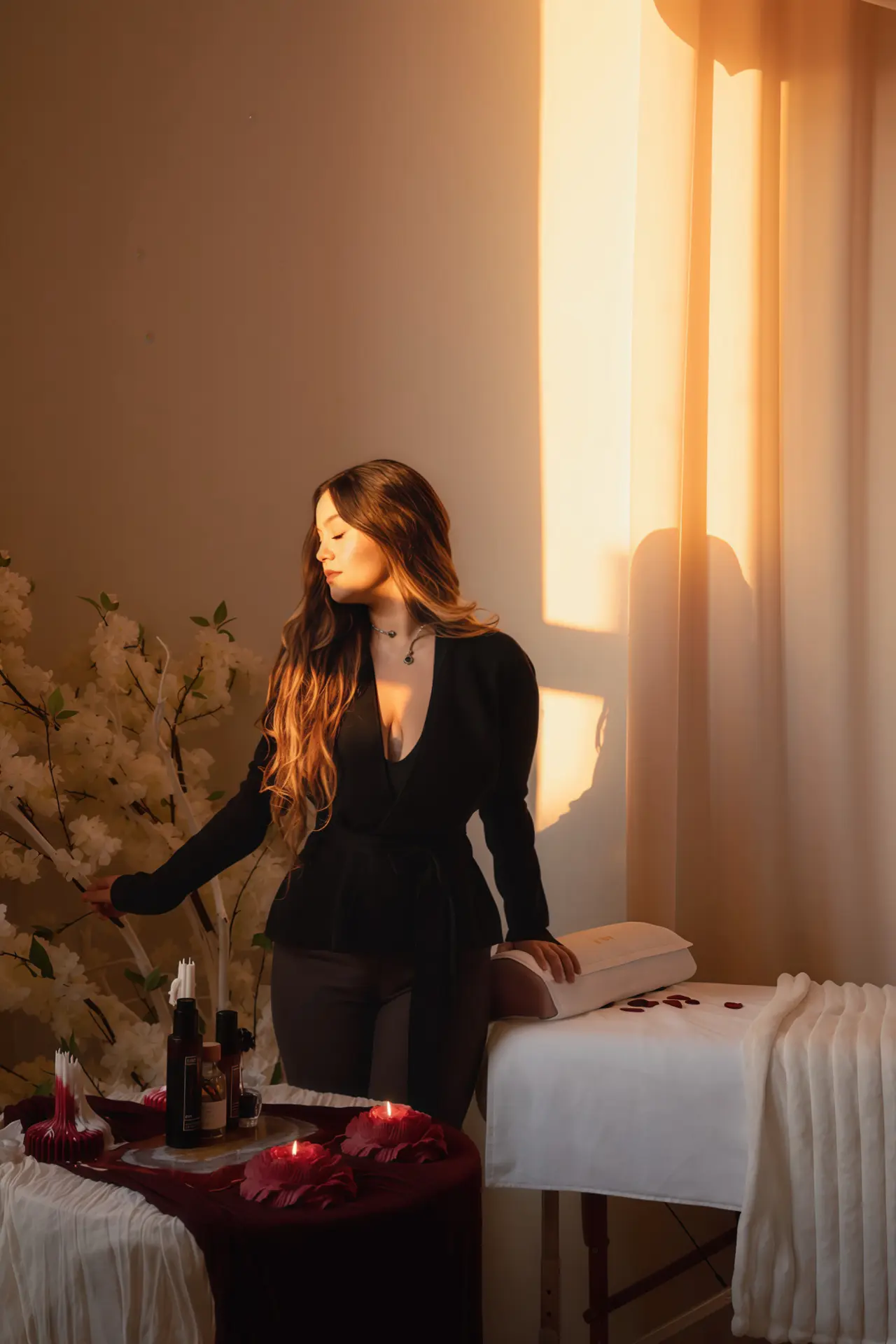
This is why we carry a room in rather than asking you to travel to one. Your own space already knows you. Add candlelight, linen, and scent, and it becomes something else for two hours without ever becoming unfamiliar.
Technique still matters. Pressure, rhythm, lymphatic direction, the way a jaw is worked without being pushed. But technique is the second thing. Atmosphere is the first, and it is the part almost nobody sells.
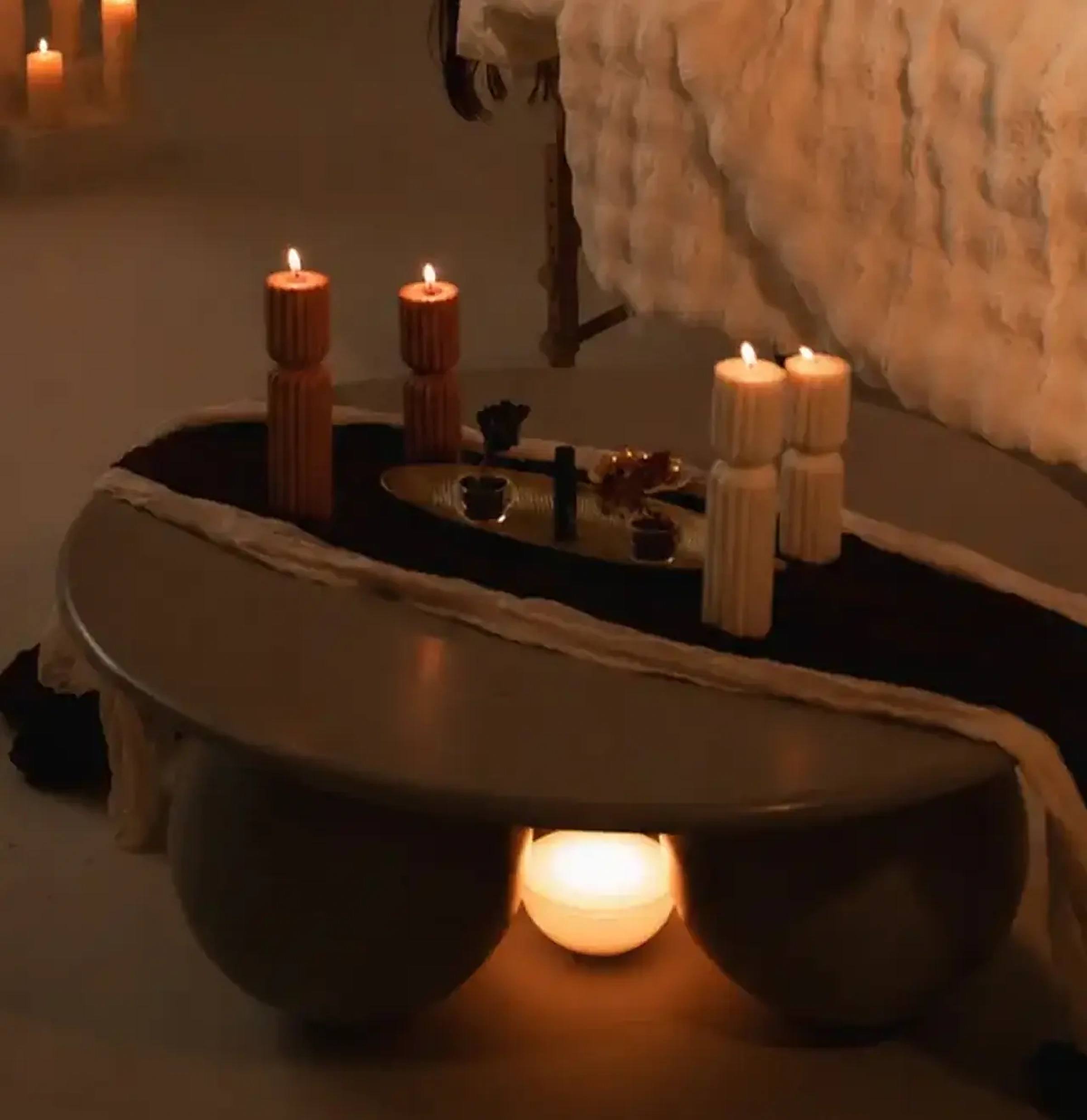
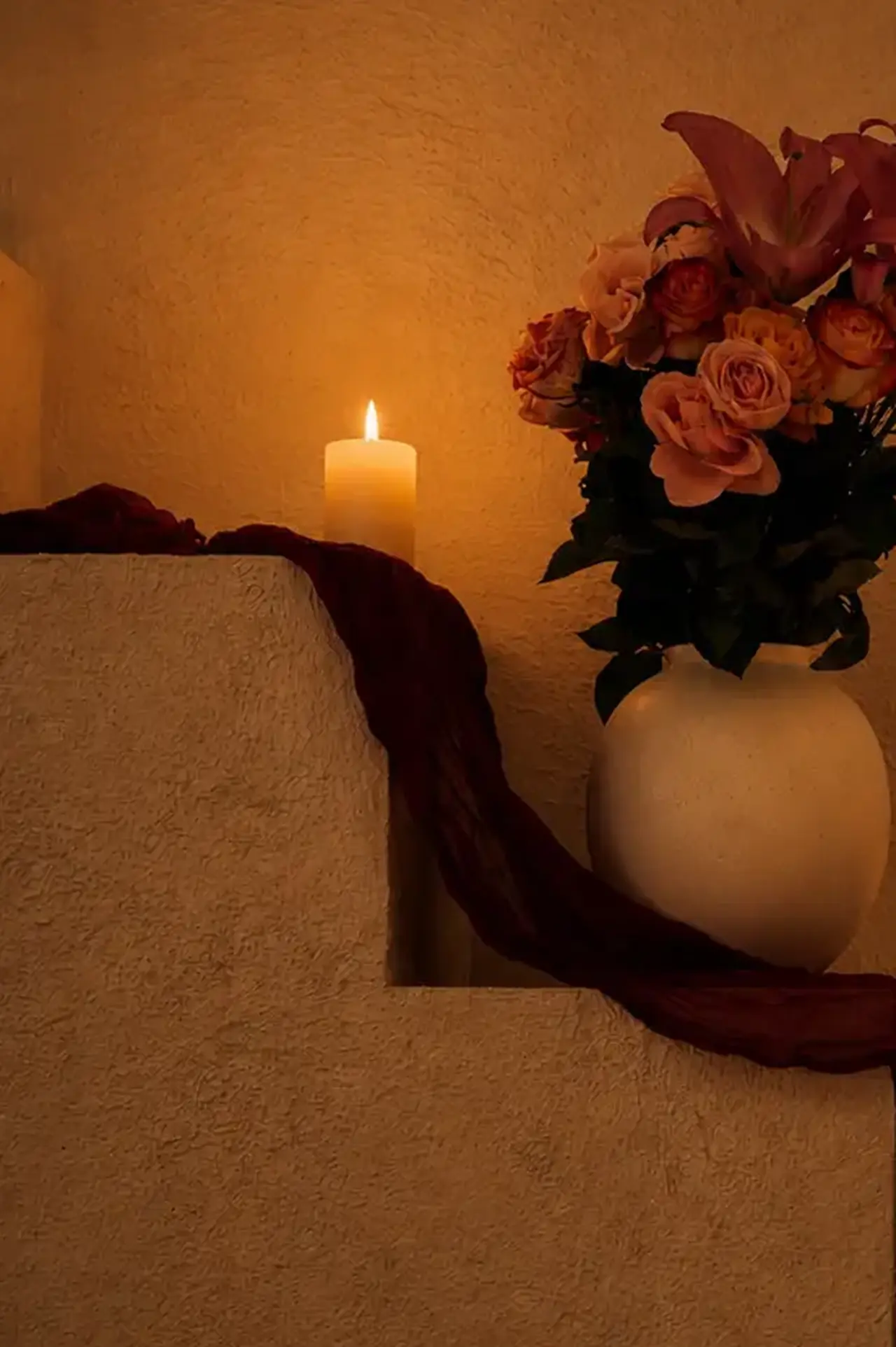
The body agrees to let go when the room gives it permission first.
Vellora Ritual House, Toronto